

Sensory aids for children
Sensory toys and sensory aids help children explore the world through touch, sight, hearing and smell, and develop motor skills and self-regulation. They are chosen by parents, speech therapists, occupational therapists and kindergartens – especially those working with children with autism spectrum disorder, ADHD or sensory processing difficulties.
Showing 33–48 of 63 results
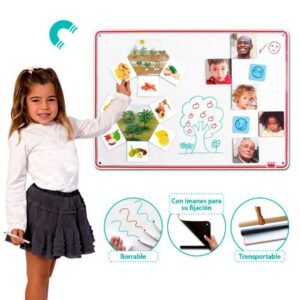
 19,00 € Select options This product has multiple variants. The options may be chosen on the product page
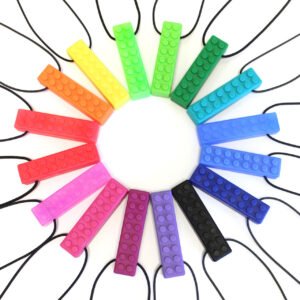
 18,00 € Select options This product has multiple variants. The options may be chosen on the product page
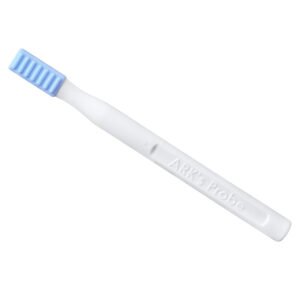
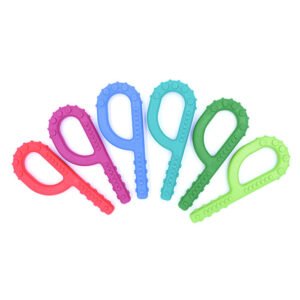 19,00 € Select options This product has multiple variants. The options may be chosen on the product page
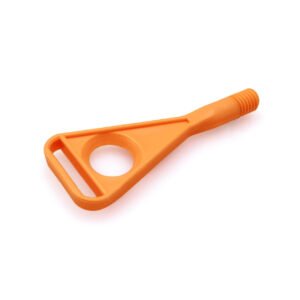
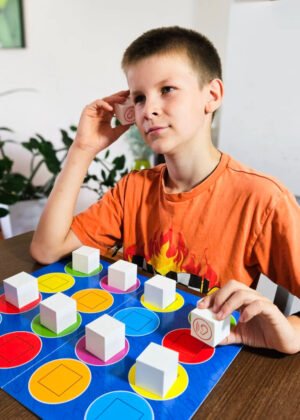
 14,00 € Select options This product has multiple variants. The options may be chosen on the product page
Showing 33–48 of 63 results
What are sensory toys?
Sensory toys are aids that deliberately stimulate one or more senses: different textures, light, sound, scent, weight or vibration. While playing with them, a child learns to recognise and process sensory information, and an adult can calmly observe what soothes the child and what activates them.
Sensory aids for children with autism and ADHD
For children who find it hard to process sensory information, sensory aids can help them calm down, focus their attention or, on the contrary, get the stimulation they are missing. The key is to choose an aid that matches the individual child’s needs and to start with short, enjoyable sessions. Read more in our article on sensory integration, and find language development tips in our article on children on the autism spectrum.
How to choose a sensory aid?
- For touch – tactile toys with different textures and surfaces.
- For sight – visual perception aids, light-up and colourful aids.
- For hearing – listening skills toys and sound recognition games.
- For smell – scent recognition games.
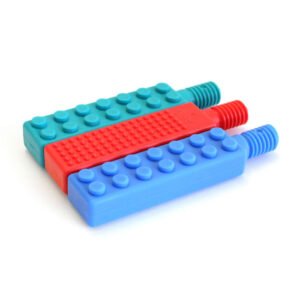
- For oral motor skills – ARK Therapeutic tools.
For a detailed buying guide, read “Sensory Toys for Children: How to Choose for Home and Kindergarten”.
Popular sensory aids
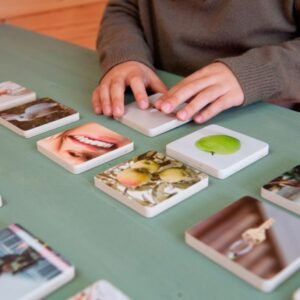
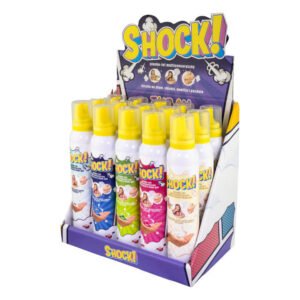
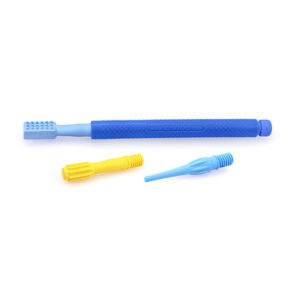
Best sellers: „Shock!” multisensory foam gel, tactile texture game, blowing games and Z-Vibe Travel Kit.
Frequently asked questions
How are sensory toys different from ordinary toys?
An ordinary toy is usually about the storyline of play, while a sensory toy is about the sensation itself: you want to touch it, squeeze it, listen to it or watch it. That is why it works both for calming down and for targeted learning activities.
Are these aids suitable for a kindergarten or a sensory room?
Yes. For educational institutions we issue an invoice – see For institutions. For larger spaces, see our professional educational equipment.
From what age can sensory toys be used?
The recommended age is stated in each product description. For the youngest, choose large aids without small parts and play together with an adult.
See also: Resources for Children with Autism · Resources for Children with Developmental Difficulties · Resources for Professionals