

Resources for Children with Developmental Difficulties
Developmental difficulties can look very different: one child’s speech is delayed, another finds hand movements harder, a third struggles to focus or to understand the daily routine. Often there are difficulties in several areas at once. In this guide we have grouped learning resources by developmental area to make it easier to find what your child or group needs.
A professional assessment matters most. A speech therapist, occupational therapist, physiotherapist or special education teacher identifies the area that needs most attention, and resources help practise it every day – through play at home or at nursery.
Language development and vocabulary
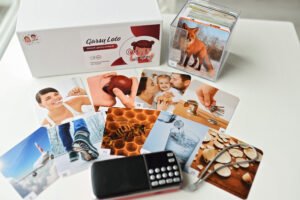
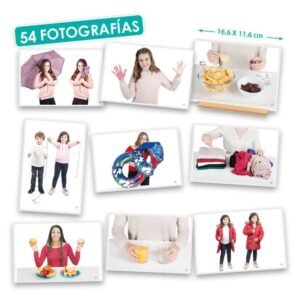
When speech develops more slowly, it is important to talk a lot every day, name objects and actions, and listen to sounds. Sound lotto, photo cards and games with prepositions and adjectives are well suited to this. Find more tips in our articles Language development for children: 7 ways and How to choose a speech therapy resource, and all resources in the Speech therapy resources category.

Breathing and oral motor skills
Clear pronunciation requires control of the airflow and of lip and tongue movements. Blowing games turn these exercises into play, while oral motor tools are used by speech therapists in sessions. You will find them all in the Oral motor tools category.
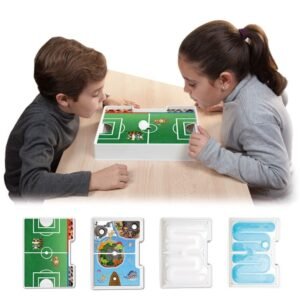
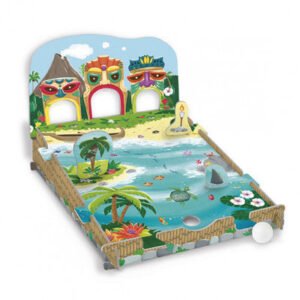
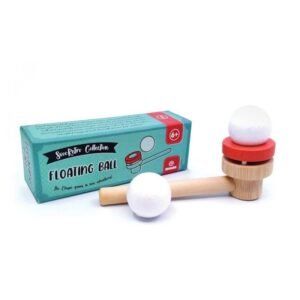

Fine motor skills and hand coordination
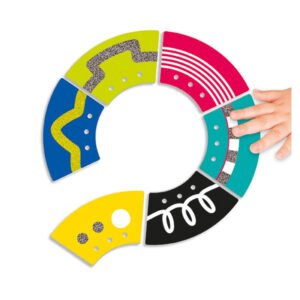
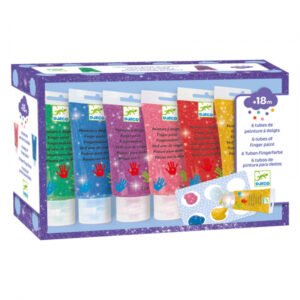
Inset puzzles, lacing cards, finger painting and building develop finger movements and hand–eye coordination – skills needed later for writing, doing up buttons or eating. Start with larger pieces and gradually move to smaller ones.
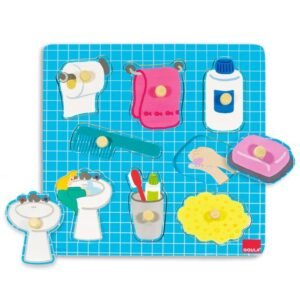
Attention, memory and thinking
Memory, observation and association games help develop concentration and logical thinking. Short but frequent play works best – you can make a task easier (fewer cards) or harder (more cards, a time limit) so that it is achievable but not too easy.


Movement, balance and reaction
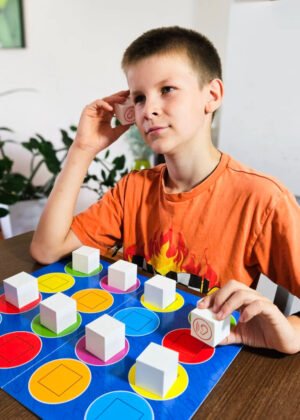
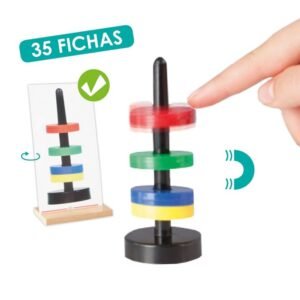
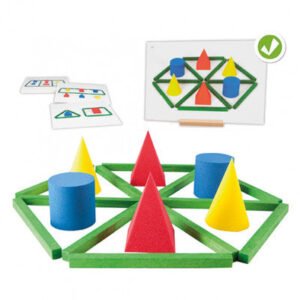
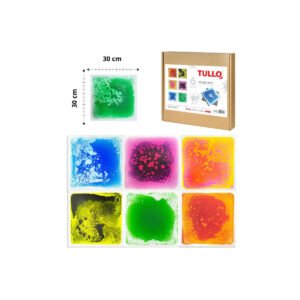
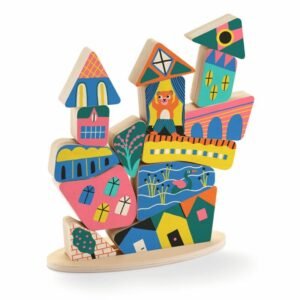
Balance and coordination can be practised on the floor and at the table: sensory tiles invite barefoot walking, light modules encourage reacting and moving, and balance games require precise hand movements. Larger equipment for institutions is in the Professional educational equipment category.

Daily living skills and understanding time
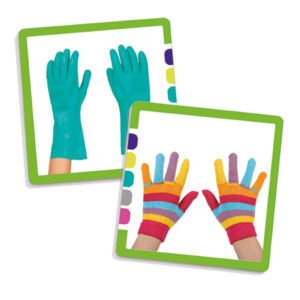
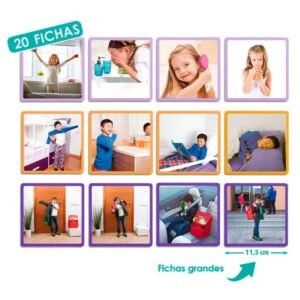
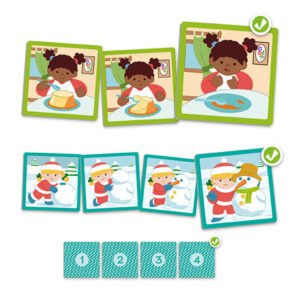
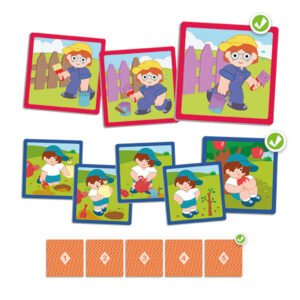
Sequence cards help children understand the daily routine and the order of events: what happens in the morning, after lunch, how to wash hands. A clear routine shown in pictures gives many children a sense of security and helps them become more independent.

How to choose resources
- Follow professional recommendations. They show which area needs most attention right now.
- Choose by ability, not only by age. The task should be achievable – success motivates the child to continue.
- Combine areas. One game can develop both language and attention – for example, sound lotto.
- Play together. An adult’s comments and questions turn a resource into a learning activity.
- Rotate resources. Put some away and bring them out again after a few weeks – interest will return.
If your child has an autism spectrum diagnosis, see also our guide Resources for children with autism. Resources for professionals are collected in Resources for professionals.
When to talk to a professional
Every child develops at their own pace, but if you are worried about your child’s speech, movement, play or communication, it is better to ask sooner rather than later. You can start with your family doctor, the nursery speech therapist or a special education teacher. A clearly defined need also helps when choosing resources – you buy what will actually be used.
Ideas for everyday play
- Morning routine with cards. Put sequence cards on the fridge and tick off together what has been done.
- Sound hunt. Listen to sounds at home or outdoors and look for the matching card.
- Blowing contest. Who can blow a ball or a feather furthest – a fun breathing exercise.
- A puzzle after dinner. A few minutes with an inset puzzle develops hands and patience.
- Storytelling from photos. Ask your child to tell you what is happening in a photo and ask “who?”, “what is he doing?”, “why?”.
At nursery and school
In a group, the same resources can serve several goals: playing in a small group, children learn to wait for their turn, listen to each other and cooperate. Teachers and specialists find it handy to have a shared resource shelf organised by area – language, motor skills, attention – so that the right resource can be picked up quickly.
How to tell a resource is helping
Developmental progress often comes in small steps, so it is worth watching not only the result but the play itself:
- The child asks for the game or comes back to it on their own.
- They do the task for longer or with less help than before.
- New words, movements or ways of playing appear.
- The skill shows up elsewhere – for example, the child names objects at the table or in a shop.
If after a few weeks the resource does not interest your child, do not worry – try a different task or way of playing, or ask a professional how to adapt it.
Frequently asked questions
Where should we start if speech is delayed?
First, ask a speech therapist for an assessment. At home, talk and read a lot, name objects and actions – photo cards and sound games are very useful for this.
Are these resources suitable for children without difficulties?
Yes. They are learning resources used by all children. For children with developmental difficulties they help to repeat and practise exactly the area that is needed.
How long should we play each day?
Usually 10–15 minutes several times a day is enough. Regularity and a good mood matter more than long sessions.
Can a nursery order with an invoice?
Yes. We issue VAT invoices to educational institutions. More information on the page For educational institutions.
How do I know whether a resource suits my child?
Product descriptions state the recommended age and what the resource develops. If in doubt, write to us or ask the professional who knows your child.
You will find more in the categories Educational toys for children, Speech therapy resources and Sensory resources for children. Need advice? Contact us.